

Emergency preparedness in schools depends on clarity, consistency, and calm execution. In a crisis, even a well-rehearsed plan can be undermined by confusion, noise, and competing streams of information. That is why more school leaders are looking closely at how student phone access affects safety procedures. A Safe Pouch can play a meaningful role here, not as a standalone answer, but as part of a wider strategy that helps schools maintain order, reinforce instructions, and create a more controlled environment when quick decisions matter most.
Why phone access becomes a safety issue during emergencies
Mobile phones are part of daily student life, and schools have had to balance convenience, communication, and classroom focus for years. In an emergency, however, the issue becomes more serious than distraction alone. When dozens or hundreds of students simultaneously text, call, record, or search for updates, the result can be a surge of emotion and misinformation at the exact moment staff need attention and compliance.
Unrestricted phone use can create several problems during a crisis. Students may receive incomplete information from peers or social media before official guidance is delivered. They may contact parents in a way that increases fear or prompts adults to come to campus before it is safe. In high-stress situations, phones can also pull attention away from immediate staff instructions, whether the need is to shelter, evacuate, or remain silent.
None of this means schools should ignore families’ desire for communication. It means communication must happen in a structured way. Effective emergency planning depends on reliable channels, defined roles, and a sequence of actions. When schools can control when phones are available and when they are not, they create a stronger framework for managing that sequence responsibly.
How a Safe Pouch supports emergency preparedness
A Safe Pouch gives schools a practical middle ground between unrestricted phone use and confiscation. Students keep their devices with them, but access is restricted until an authorized release point. That distinction matters. From a safety perspective, possession without open use can reduce conflict, protect personal property, and make policy enforcement more realistic for staff.
For schools evaluating practical options, Safe Pouch can fit into a broader emergency-readiness framework without requiring students to surrender personal devices at the start of the day. This makes the system easier to explain to families and easier to integrate into existing procedures.
In emergency terms, the value of a lockable phone pouch is straightforward. It helps preserve attention during the first moments of an incident, when staff need students to follow clear directions rather than react impulsively. It can also reduce hallway filming, panic calling, and the spread of unverified information. Just as importantly, because students still retain the phone physically, schools can establish controlled release procedures once the immediate safety phase has passed.
Win Elements positions its lockable phone pouch as a practical tool for schools that want both stronger daily discipline and better crisis readiness. Used thoughtfully, that kind of product supports consistency: the same expectations that reduce distractions in normal classroom hours can also support calmer, more manageable responses during drills and real incidents.
Where a lockable phone pouch fits within school protocols
A Safe Pouch works best when it is built into existing emergency planning rather than treated as a separate initiative. School leaders should define exactly how the pouch supports communication, supervision, and student movement in different scenarios.
| Preparedness challenge | How a Safe Pouch can help |
|---|---|
| Students missing verbal instructions | Reduces the temptation to check phones during critical announcements or staff directions |
| Panic caused by rumors or social posts | Limits immediate access to unverified information in the first stage of an incident |
| Parents arriving before reunification procedures are ready | Helps schools control the timing of student-to-family communication |
| Inconsistent enforcement across classrooms | Creates a visible, uniform process that is easier for staff and students to follow |
Schools can use this approach across a range of circumstances, including lockdowns, shelter-in-place situations, medical incidents, evacuations, and severe weather procedures. In each case, the principle is similar: reduce unnecessary variables so the safety plan can function as intended.
There is also a day-to-day preparedness benefit that is often overlooked. Emergency systems work best when they are familiar. If students and staff already understand how phone access is managed during a normal school day, there is less confusion when an urgent situation occurs. Routine builds compliance, and compliance supports safety.
Implementation steps for administrators and staff
Introducing a Safe Pouch policy requires more than distributing pouches on campus. The school needs a clear operational model, staff training, and parent communication that explains the purpose in practical terms. The strongest rollouts are calm, transparent, and procedural rather than punitive.
- Define the safety objective. Make it clear whether the policy is intended to support emergency readiness, classroom focus, or both. Staff need one consistent rationale.
- Map phone access to emergency stages. Determine when devices remain locked, who can authorize release, and how communication with families will be handled after the immediate risk is addressed.
- Train staff in simple language. Teachers, office teams, and safety personnel should all know how the system works and how it connects to school-wide emergency plans.
- Communicate early with families. Parents are more likely to support the policy when they understand that the phone stays with the student and that structured communication protects everyone during a crisis.
- Include the procedure in drills. A plan is only useful if it is rehearsed. Drills should reflect how phones are handled in realistic conditions.
- Review and refine. Gather feedback from staff after implementation and after drills. Small operational adjustments can make a major difference.
Administrators should also consider exceptions and edge cases in advance. Students with documented medical needs, approved accessibility requirements, or specific family circumstances may require individualized planning. Thoughtful policies are firm, but they are not rigid. The goal is to reduce risk while preserving fairness and trust.
Balancing control, trust, and student wellbeing
Emergency preparedness is not only about equipment or rules. It is also about culture. Students are more likely to cooperate with restrictions when they feel the purpose is protective rather than merely disciplinary. That means schools should explain the reasoning clearly: in a serious moment, a controlled response can save time, reduce fear, and help staff care for students more effectively.
A Safe Pouch should therefore be framed as one part of a broader safety ecosystem. Schools still need strong public-address systems, staff training, visitor protocols, reunification plans, and partnerships with emergency services. The pouch is not a substitute for those essentials. It is a support tool that helps the larger plan work with fewer interruptions.
When selected carefully, the physical design of the pouch matters as well. A durable, easy-to-manage lockable solution is more likely to be used consistently across classrooms and grade levels. That is where a dedicated product such as the Win Elements Safe Pouch Lockable Phone Pouch can be useful: it gives schools a tangible system they can standardize, explain, and incorporate into routine practice without turning phone management into a daily confrontation.
In the end, school safety depends on reducing chaos and protecting the chain of command during critical moments. A Safe Pouch supports that goal by limiting distractions, slowing the spread of panic, and helping schools control communication in a more responsible way. For administrators reviewing emergency preparedness through a practical lens, it offers a credible, student-aware option that strengthens procedures without losing sight of trust, consistency, and care.
——————-
Article posted by: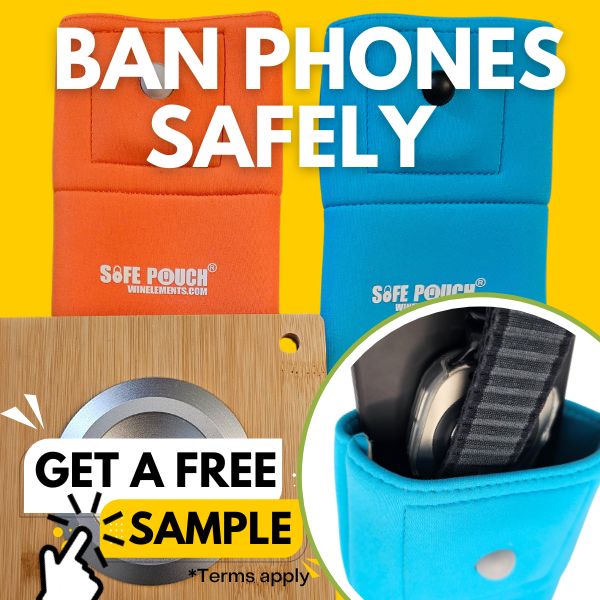
Win Elements | Lockable Phone Pouch
https://www.winelements.com/
Los Angeles, United States
Patented lockable phone pouches with multi-tiered lockers for phone locking pouches.
