

Choosing a terrarium kit is about more than finding a beautiful glass vessel. The right kit shapes the health of your plants, the amount of care your arrangement will need, and how naturally it fits into your home. If you want a display that feels refined rather than improvised, it helps to think beyond appearance and focus on how the kit supports the best terrarium plants for your space, light, and routine. When shopping with Fosteriana, that practical approach makes it much easier to select a kit you will enjoy long after the first planting day.
Start with the Type of Terrarium You Actually Want to Maintain
The first decision is not decorative. It is environmental. Most terrariums fall into two broad styles: closed terrariums, which hold moisture and create a humid microclimate, and open terrariums, which allow more airflow and suit plants that prefer drier conditions. Your choice here influences everything that follows, from plant selection to watering habits.
A closed terrarium is often ideal for mosses, small ferns, and humidity-loving tropical plants. Because moisture circulates inside the container, these setups usually need less frequent watering, but they also require attention to condensation, mold prevention, and indirect light. An open terrarium works better for succulents, cacti, and other plants that dislike trapped humidity. These arrangements are visually crisp and easy to style, though they can dry out more quickly.
Also consider where the terrarium will live. A bright room with filtered sun, a low-light office, or a warm apartment shelf can each support different kinds of kits. If your home gets strong direct sun, a closed glass vessel may overheat quickly. If your room is dim and dry, a humid setup may offer more stability for delicate foliage.
| Terrarium Type | Best For | Typical Plant Style | Care Focus |
|---|---|---|---|
| Closed | Humidity-loving environments | Moss, ferns, fittonia, small tropicals | Light control, ventilation, minimal watering |
| Open | Dryer, airflow-friendly environments | Succulents, cacti, drought-tolerant plants | Occasional watering, bright light, tidy pruning |
Choose a Kit That Supports the Best Terrarium Plants
Once you know whether you want an open or closed system, look closely at the proportions of the kit itself. The best terrarium plants are not simply the smallest ones you can find. They are the plants whose mature size, moisture needs, and growth habits suit the dimensions of the container. A terrarium should feel composed, not crowded after a few weeks.
The opening matters as much as the overall size. A narrow-necked vessel can look elegant, but it limits planting access and makes future trimming more difficult. A wider opening gives you more flexibility, especially if you are new to terrariums or prefer more detailed compositions with stones, wood, and layered textures. Depth also matters. Shallow vessels work for decorative minimalist plantings, while deeper kits offer more room for substrate, root development, and landscape detail.
If you are narrowing your choices by foliage scale, humidity tolerance, and growth habit, this guide to best terrarium plants can help you match a kit to plants that are more likely to thrive rather than merely fit on day one.
As a general rule, choose slower-growing plants with refined leaf size and a clear preference for the environment your terrarium will provide. Avoid mixing plants with conflicting needs just because they look attractive together. A lush fern may not enjoy sharing space with a succulent, and a compact moss arrangement will quickly lose its balance if paired with a plant that stretches aggressively toward light.
What to check before you buy
- Opening width: Easy enough for planting, trimming, and cleaning
- Container depth: Sufficient room for layers and root space
- Material clarity: Good glass visibility for a polished finished look
- Lid or open top: Appropriate for your chosen plant environment
- Plant scale: Small, slow-growing species over fast growers
Pay Attention to What the Kit Includes
A thoughtfully assembled terrarium kit saves time and reduces guesswork. It also signals that the planting experience has been considered as carefully as the finished display. At a minimum, a quality kit should include the vessel and the essential growing components needed to build a stable base for the plants.
Look for kits that provide a sensible layering system. That usually means a drainage element, a growing medium suited to terrariums, and decorative materials that do not interfere with plant health. Some kits may also include tools or design accents, which can be especially useful for beginners or for anyone giving the kit as a gift.
When evaluating options from Fosteriana, think about whether you want a complete experience or a foundation you can personalize. Some people prefer the convenience of a ready-to-assemble kit with curated materials. Others want a beautiful vessel and the freedom to source their own plants and finishing details. Neither choice is wrong, but the right option depends on how hands-on you want the process to be.
- For beginners: Choose a kit with clear essentials and enough room to work comfortably.
- For experienced plant lovers: Choose based on vessel quality, proportions, and styling potential.
- For gifts: Prioritize presentation, simplicity, and broad plant compatibility.
Match the Kit to Your Lifestyle, Not Just Your Decor
A terrarium should suit your habits as much as your interior style. If you travel often or tend to forget routine watering, a closed terrarium with humidity-loving plants may be the better fit. If you like bright windows, sculptural forms, and occasional hands-on plant care, an open kit may be more satisfying. The most successful terrarium is the one that works with your daily rhythm.
Design still matters, of course. Consider where the terrarium will sit and what role it will play in the room. A compact vessel can add texture to a desk, bedside table, or shelf without demanding too much visual space. A larger kit can become a focal point in a living room, entryway, or dining area. Shape influences mood as well. Rounded vessels feel softer and more organic, while angular silhouettes can look more architectural and modern.
It is also worth deciding whether you want a terrarium to feel naturalistic or tailored. A naturalistic terrarium uses moss, bark, stones, and irregular layering to mimic a miniature landscape. A more tailored look relies on restraint, cleaner lines, and fewer materials. Fosteriana’s appeal is that its aesthetic leans polished and giftable, which makes the selection process easier for people who want something elevated without overcomplicating the planting process.
Why Fosteriana Is a Smart Place to Buy a Terrarium in New Jersey
If you are looking to buy a terrarium in New Jersey, Fosteriana offers an advantage that online general marketplaces often lack: a more considered point of view. Instead of treating a terrarium as a generic container, the brand presents it as a complete design object and living environment. That difference matters when you want the finished piece to look refined and remain easy to care for.
Choosing the right terrarium kit from Fosteriana comes down to a simple framework. First, decide whether your plants need a closed or open environment. Next, make sure the vessel size and opening support healthy planting and future maintenance. Then review the included materials and choose a level of completeness that matches your confidence and interest. Finally, select a style that complements your home rather than competing with it.
When those elements align, the result is more than a decorative project. It is a lasting indoor garden that feels intentional, balanced, and enjoyable to live with. The best terrarium plants will always perform better inside a kit designed around their needs, and that is ultimately what makes one terrarium worth buying over another. A beautiful vessel may catch your eye first, but the right kit is the one that helps your plants and your space look better over time.
For more information on best terrarium plants contact us anytime: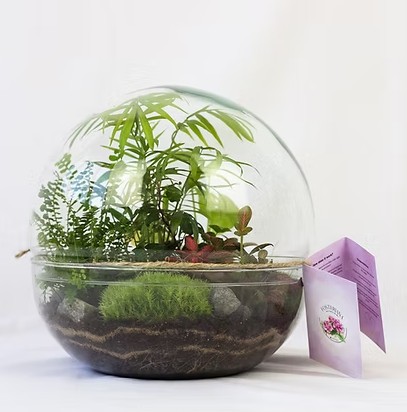
Home | Terrarium
https://www.fosteriana.com/
Riga, Latvia
