

Introduction
Resilience in recovery is a powerful concept, particularly for those who have faced life-threatening situations. A near-death experience can be a profound turning point, forcing individuals to reassess their lives, priorities, and understandings of resilience. This journey often involves psychological, emotional, and physical challenges that test a person’s strength and determination.
The Turning Point
For many, a near-death experience serves as a wake-up call. It provides a new perspective on life and what truly matters. The initial phase of recovery may be overwhelming, filled with a mix of gratitude for survival and anxiety about the future. This is where resilience in recovery begins to play a crucial role. Resilience helps individuals navigate through the fear and uncertainty, allowing them to focus on healing and rebuilding their lives.
Lessons in Resilience
One of the most important lessons learned from a near-death experience is the recognition of inner strength. Many people discover reserves of resilience they never knew they had. This newfound strength becomes the cornerstone of their recovery process. Embracing resilience in recovery involves acknowledging fears and vulnerabilities, but also recognizing the ability to overcome them.
Another critical lesson is the importance of support systems. Family, friends, and healthcare professionals often play a pivotal role in the recovery journey. Their encouragement and understanding can bolster an individual’s resilience, providing the emotional and practical support needed to move forward. Building a strong support network is an essential part of fostering resilience in recovery.
The Role of Mindfulness
Mindfulness and self-reflection are also key components of resilience in recovery. Near-death experiences often bring about a heightened awareness of the present moment. Practicing mindfulness can help individuals stay grounded, reduce stress, and improve mental health. This focus on the present allows for a more measured approach to recovery, promoting healing and personal growth.
Conclusion
Resilience in recovery is not just about bouncing back; it’s about growing through adversity. Those who have survived near-death experiences often emerge with a deeper appreciation for life and a stronger sense of purpose. The journey is challenging, but the lessons learned are invaluable. By embracing resilience, individuals can turn a traumatic event into an opportunity for transformation and renewed vitality.
In summary, resilience in recovery is a multifaceted process that involves recognizing inner strength, leaning on support systems, and practicing mindfulness. These elements combine to create a foundation for healing and personal development, ultimately allowing individuals to thrive after facing life’s most daunting challenges.
Find out more at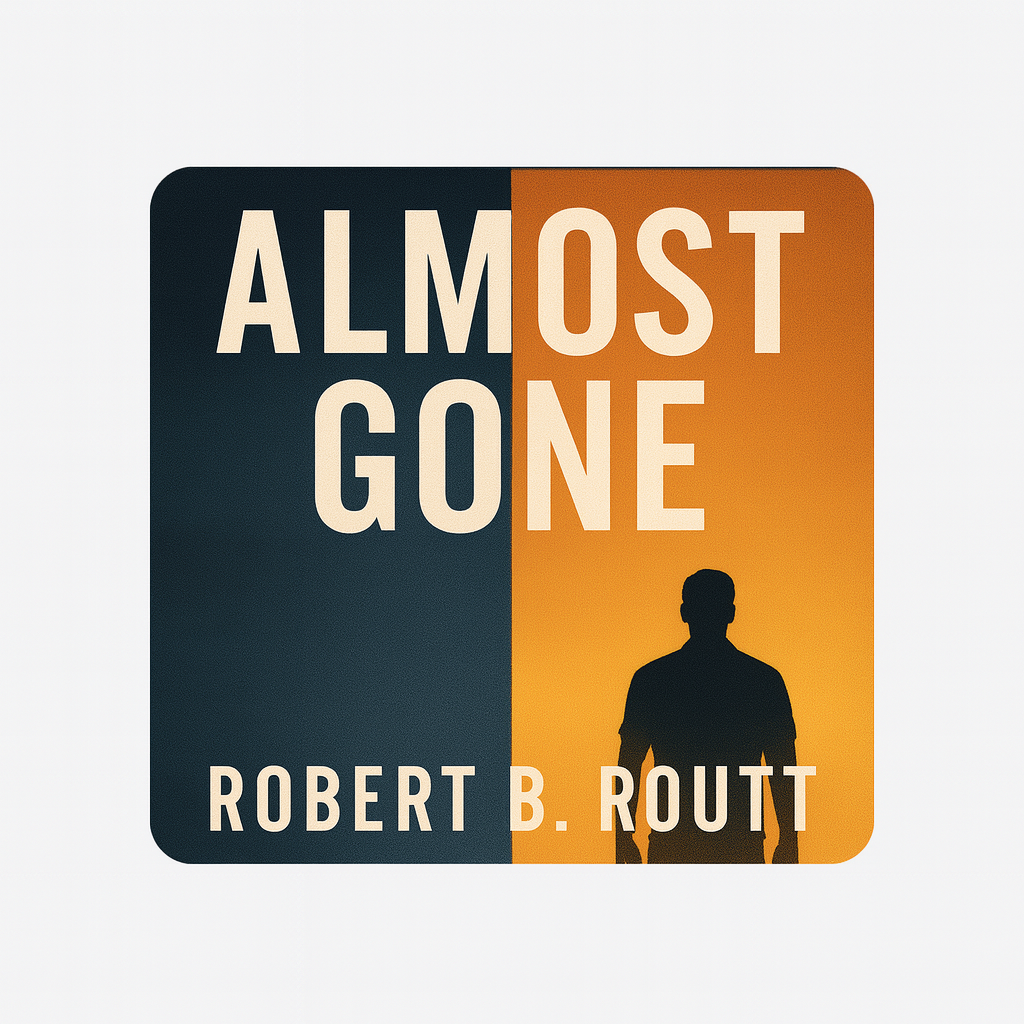
Almost Gone Robert B. Routt | A Memoir of Survival
https://www.robertroutt.com/
Virginia Beach – Virginia, United States
Almost Gone by Robert B. Routt: A gripping memoir of survival, addiction recovery, and faith. Discover your second chance.
